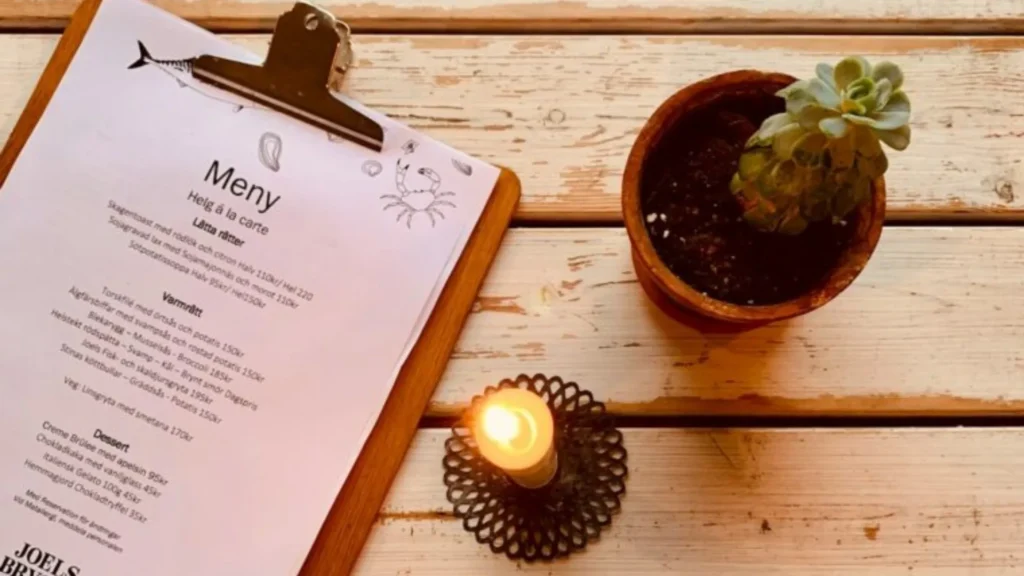
Your Philippines restaurant menu is not a list. It’s your love letter to home.
A truly great Philippines restaurant menu does more than present dishes and prices. It frames a feeling—childhood afternoons with sawsawan on the table, the comforting steam of sinigang on a rainy night, the crunch of crackling pork passed around a long table at a fiesta. When your menu captures that sense memory, guests don’t just eat; they connect. And when connection happens, sales follow.
This guide shows how to build a menu rooted in Filipino cuisine, engineered to sell, and written with soul.
Table of Contents
- How Filipinos Taste: The Map Behind Every Order
- The Three Pillars: Heart, Story, and Flavor
- Lessons From Market Leaders (and How to Make Them Yours)
- Engineering With Feel: The Four Quadrants (Made Practical)
- Design Choices That Quietly Increase Check Size
- Words That Make People Hungry
- Digital Touchpoints: Where Your Menu Works Overtime
- Sample Structures You Can Lift Today
- Food Quality and Safety: The Invisible Promise
- Mistakes to Avoid (and Easy Fixes)
- Quick SEO Corner (keep it natural)
- A One‑Page Checklist for Owners
- Closing: Write With Soul, Operate With Clarity
- FAQs
1) How Filipinos Taste: The Map Behind Every Order
Filipino palates favor balance. Sweet, sour, salty, and umami don’t compete; they harmonize.
- Sourness with personality. Tamarind, cane vinegar, or green mango draw clear lines through rich stews like kare‑kare.
- Depth from the sea. A whisper of patis or bagoong turns a good sauce into one that lingers.
- Sawsawan as agency. Vinegar with red chili, soy with calamansi, or a spicy blend lets guests finish the dish their way.
- Comfort meets festivity. Everyday bowls (adobo, sinigang) co‑exist with celebratory plates (crispy pata, lechon), and both belong on the same card.
Takeaway: When categories, pairings, and descriptions reflect this balance—bright against rich, crunchy beside soft—diners feel understood and order more confidently.
2) The Three Pillars: Heart, Story, and Flavor
A) Heart: Cook the Place Into Every Plate
- Provenance with pride. Mention origin naturally: Bicol chiles, Batangas coffee, Tausug spices.
- Family as compass. Tag a few recipes as Lutong Bahay—grandmother’s adobo, Sunday kaldereta, or a caramelized pino version of fried chicken marinated with calamansi and pepper.
- Regional respect. Fold in one less familiar dish—kinilaw with seasonal citrus, kansi brightened with batuan, tiyula itum with toasted spices—so your selection feels archipelagic, not generic.
B) Story: Name, Frame, and Invite
- Section names with voice. Instead of “Appetizers” and “Mains,” try Panimula, Lutong Bahay, Fiesta & Pulutan, Gulay & Ensalada, Pampalamig.
- Short sensory notes. “Beef short rib sinigang, tamarind‑bright, finished with siling mahaba.”
- One sentence, one scene. A tiny origin line—“Inspired by Sunday lunches in Quezon”—does more work than four adjectives.
C) Flavor: Familiar Anchors, Curious Detours
- Keep icons (adobo, sinigang, sisig, crispy pata) at the core.
- Add discovery dishes that travel: chicken inasal with atsuete oil, laing slow‑toasted in coconut, paksiw na tuna panga.
- Rotate seasonal specials (green mango, pomelo, pineapple slaw; sago desserts in the hottest months) to signal freshness and give your social posts a steady cadence.
3) Lessons From Market Leaders (and How to Make Them Yours)
Brands like Jollibee, Manam, and Mesa show how a strong Philippines restaurant menu turns choices into cravings.
Jollibee: Fried Chicken Bundles That Remove Friction
The brand’s instinct for pairing a hero with a comfort side—think golden fried chicken with spaghetti or palabok—is a masterclass in decision design.
Steal this, respectfully:
- Offer Perfect Pair sets: a star viand + vegetable + rice + house sawsawan.
- Add Family Pans or Fiesta Sets scaled to 2, 4, 6—priced so sharing feels like value.
Manam: Portions That Encourage Curiosity
Manam’s Small/Medium/Large format invites tables to experiment—one Small to test something new, a Large for the favorite.
Make it yours:
- Size your top crowd‑pleasers. Use a “Try Small” tag beside newer plates.
- Where appropriate, allow add‑ons—extra egg, more vegetables, or a crunch topping—so guests customize without hesitation.
Mesa: Theater That Travels on Social
Mesa’s Crispchon—carved or assembled tableside with sauces and wraps—proves that a little ritual turns a dish into an occasion.
Doable echoes:
- A palabok with sauce poured at the table.
- Ube leche flan bruléed as it arrives.
- A whole grilled fish set with mango‑lemon ensalada and spiced vinegar.
4) Engineering With Feel: The Four Quadrants (Made Practical)
Behind the poetry, you still need math. Classify each dish by two numbers: popularity (how often it sells) and profit (price minus total food cost). You’ll see four groups:
- Stars (high popularity, high profit). Spotlight and never stock‑out.
- Plowhorses (high popularity, lower profit). Nudge price up in small steps, tighten portioning, or bundle with profitable sides.
- Puzzles (low popularity, high profit). Rename, reshoot, resize, or reposition in the layout.
- Dogs (low everything). Retire, reinvent, or confine to limited runs.
How to start, step‑by‑step:
- Pull 90 days of sales. A simple spreadsheet is enough.
- Calculate contribution margin. Price − (ingredient + packaging).
- Tag each dish Star/Plowhorse/Puzzle/Dog.
- Make one change per item (pricing, portion, position, or pitch) and review in four weeks.
Note: If you work with bowls and grills, side dishes can be the silent profit engines. A thoughtfully priced cup of rice, a bright broccoli stir‑fry, or a sweet‑corn vegetables set adds margin without slowing the kitchen.
5) Design Choices That Quietly Increase Check Size
A) Layout & Hierarchy
- Keep sections tight. Six to eight items per category prevent fatigue.
- Use white space. Let the eye rest; let the stars breathe.
- Guide scanning. Place a hero dish at the start of a section and another just above the fold.
B) Price Psychology (without gimmicks)
- Plain numerals beat currency noise. Many dining rooms see better averages with 295 instead of ₱295, particularly on printed menus. Test it in your context.
- Avoid tidy price columns. Ragged alignment keeps attention on the food.
- Anchor with one decoy. A premium cut or ceremonial dish at the top frames everything after as value—if the dish truly warrants the price.
C) Photography That Feels Honest
- One image per section or only for your signatures. Too many photos flatten the experience.
- Shoot natural light, include real toppings, and show local cues: a sawsawan dish, a kalamansi wedge, banana leaves.
6) Words That Make People Hungry
Aim for 10–20 words per description, with one technique and one sensory note.
Templates you can adopt:
- Kare‑kare (Family Recipe) — Slow‑braised oxtail in toasted‑peanut sauce; served with bagoong, silky and nutty.
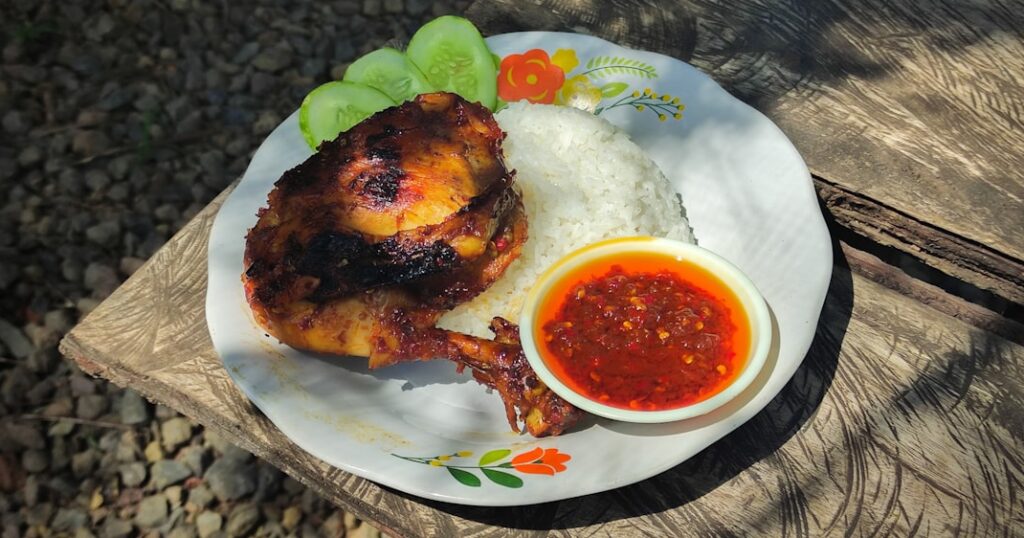
- Inasal na Manok — Citrus‑marinated, atsuete‑glazed, smoke‑kissed; best with garlic fried rice.
- Palabok — Shrimp‑savory sauce ladled at the table over crisp noodles; topped with chicharrón and scallions.
- Laing — Toasted gabi leaves simmered in coconut; mild chili warmth, sweet finish.
- Kinilaw — Boat fish, fresh citrus, a hint of heat; clean, cold, bright.
- Buko Pandan — Tender coconut, pandan jelly, and light cream; a cooling close.
Micro‑copy prompts (swap in as needed):
- “vinegar‑bright,” “coconut‑slow,” “smoke‑kissed,” “crackling edge,” “citrus‑clean,” “ginger‑warm,” “garlic‑deep,” “green mango snap.”
7) Digital Touchpoints: Where Your Philippines Restaurant Menu Works Overtime
- Google Business Profile is often a diner’s first look. Keep hours, photos, and PDF or link versions synchronized. Upload seasonal pages on the same day you launch them in‑house.
- Instagram is your appetite engine. Share hero shots, process clips, and guest moments. Post the day’s special before lunch; show it sold out.
- QR pages are efficient, but pair them with handsome printed cards. Some guests want to browse without a phone.
Menu + Operations handshake: When you push a new plate, make sure the kitchen has mise en place, the front‑of‑house has a one‑line story, and the social caption repeats that story in a human voice.
For a deeper dive into digital strategy, link this article to your own guides on Filipino restaurant marketing or menu design tips.
8) Sample Structures You Can Lift Today
A) Section Names & Flow
- Panimula (Starters)
- Lutong Bahay (Comforts)
- Fiesta & Pulutan (For Sharing)
- Gulay & Ensalada (Vegetables & Salads)
- Pampalamig (Desserts & Drinks)
B) Example Page (Excerpts)
Introduction
- Tokwa’t Bagnet — Crisp tofu and pork belly, cane vinegar and red chili.
- Gambas sa Aligue — Shrimp tossed in crab fat and garlic; a squeeze of lemon.
Lutong Bahay
- Adobong Puti — Vinegar and garlic, no soy; clean, bright, deeply savory.
- Beef Pares Guisado — Star‑anise stew, scallions, chili oil; served with garlic rice.
- Inasal na Manok — Atsuete‑glazed, smoky; add egg on top, if you like.
Fiesta & Pulutan
- Crispy Pata — Crackling pork knuckle, pineapple atsara, spiced vinegar.
- Grilled Whole Fish — Banana leaf, ensalada with broccoli shoots and tomatoes; calamansi‑on‑the‑side.
Gulay & Ensalada
- Laing — Slow coconut simmer, warm chiles; best with fresh cucumber relish.
- Talong, Itlog na Maalat, Kamatis — Charred eggplant, salted egg, tomato.
Pampalamig
- Buko Pandan — Tender coconut and pandan jelly in light cream.
- Sago at Gulaman — House arnibal, crushed ice, and pearls; bright and cooling.
Sets & Bundles Served Family‑Style
- Perfect Pair: Inasal + ensalada + garlic rice + sawsawan.
- Fiesta for Four: Kare‑kare, fried chicken or crispy pata, pancit, laing, and desserts to share.
9) Food Quality and Safety: The Invisible Promise
Behind every unforgettable meal is a quiet promise—one that guests may never see, but always feel. Food quality and safety are the invisible threads that hold together every classic Filipino dining experience, from the first bite of garlic fried rice to the last spoonful of creamy sago dessert. This commitment is what transforms a simple meal into a moment of trust, comfort, and joy.
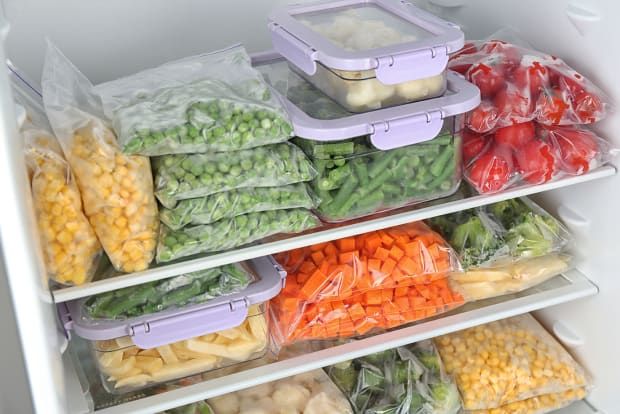
Freshness systems: From daily meat logbooks to FIFO veggies.
It all begins with the ingredients. The best Filipino kitchens insist on fresh vegetables, crisp broccoli, and meats that are handled with care. The brightness of lemon in a dipping sauce, the sweet tang of pineapple in a salad, or the rich depth of cream in a dessert—each element is chosen not just for flavor, but for the assurance it brings to every plate served. Whether it’s a classic fried chicken, a bowl of chili‑laced fried rice, or a meal topped with fresh herbs, quality is never left to chance.
A meal that arrives beautifully topped with fresh vegetables or a slice of pineapple, served with a smile, feels like a celebration—no matter how ordinary the day. Attentive service and a welcoming atmosphere turn a quick lunch into a memory worth sharing.
Clean kitchen rituals: Wiping down rice scoopers every hour.
Quality is more than just what’s on the plate—it’s how it gets there. The most beloved restaurants train their teams to treat every step with respect: washing hands, keeping kitchens spotless, and cooking each dish—be it fried rice or fried chicken—to the perfect temperature. Allergen awareness, from peanuts to shellfish, is woven into daily routines, ensuring that every guest can dine with confidence any time.
Whether guests crave a rich, classic meal from a favorite chain or a fresh, modern twist at a local bistro, the invisible promise of food quality and safety is always at the heart of the experience. It’s a promise renewed with every meal served—so guests can savor each bite, knowing they’re in good hands.
10) Mistakes to Avoid (and Easy Fixes)
- Listing too much.
Fix: Cap each section at eight items and rotate the rest as limited runs. - Inconsistent naming.
Fix: Decide on English names with Tagalog descriptors (or vice‑versa) and stick to it. - No visual emphasis.
Fix: Give your top three sellers a soft border, a “chef’s note,” or a tasteful icon. - All price, no story.
Fix: Write one short line—a technique plus a sensory cue—for every signature. - Forgetting the sides.
Fix: Offer vegetables and salads engineered to balance richness; they add margin and make the menu feel complete.
11) Quick SEO Corner (keep it natural)
- Use Filipino cuisine and related phrases in headers and image alt text where it fits.
- If you must include the phrase “filipino food cuisine,” place it once in an FAQ or overview sentence so it reads like a category label, not a chant.
- For readers searching “cuisine in Tagalog,” you can note that many speakers use lutuing Pilipino or simply pagkaing Pilipino.
- Structure your post with H2/H3s, internal links to key pages like reservations, specials, and catering, plus a clear CTA.
12) A One‑Page Checklist for Owners
- Promise at the top. One line that defines your point of view.
- Sections with voice. Panimula, Lutong Bahay, Fiesta & Pulutan, Gulay & Ensalada, Pampalamig.
- Stars marked subtly; photos only for true signatures.
- Descriptions of 10–20 words; one technique, one sensory cue.
- Portion options for best‑sellers; “Try Small” for newer plates.
- Bundles for couples, families, and groups.
- Prices tested with plain numerals vs. currency symbols.
- Digital sync: Google listing, website, and updated QR menu.
- Staff script: a one‑sentence story for every highlighted dish.
- Four‑week review: sales mix, food cost, and guest feedback.
13) Closing: Write With Soul, Operate With Clarity
Menus that sell are built on story and structure. You now have both—time to test, track, and serve. Your Philippines restaurant menu can frame your dining room as both home and destination—a place where classic comforts sit easily beside thoughtful twists, where a bright ensalada cuts through richness, and where dessert arrives cold, creamy, and light after a generous meal.
If you’ve come this far, you’re not just printing prices—you’re composing a story people will return to. For implementation support, you can always book a strategy session and refine the next version of your menu together.
14) FAQs
Q1. What makes a Filipino menu stand out?
A: A tight Classics & Twists split, 1–2 hero signatures (e.g., Sizzling Sinigang or an Adobo Trio), share‑forward sets, and short, sensory descriptions. Cite heritage terms (e.g., Lutong Pinoy) but keep items in clear English with Tagalog flavor words so your Philippines restaurant menu stays readable.
Q2. How do I reduce food cost in Filipino menus and make them more profitable?
A: Work backward from target food cost (often ~30%). Example: cost ₱120 → price ≈ ₱400. Use brackets and a high anchor per section; remove currency symbols to reduce price salience. Re‑run engineering quarterly. Use bundle sets, control rice portions, and price in‑demand sides (e.g., atsara, gulay) higher. Track profit per dish, not just price.
Q3. Best Filipino menu structure for delivery apps?
A: Keep best sellers & bundles on top; mirror Classics then Twists; use modifiers for rice/upgrades. Follow platform image/markup rules and keep prices/inventory synced.
Q4. What are common Philippines Restaurant Menu categories?
A: Panimula (starters), Lutong Bahay (home‑style dishes), Fiesta & Pulutan (party food), Gulay (vegetables), Pampalamig (desserts/drinks). These guide guests through familiarity to discovery on any Philippines restaurant menu.
Q5: Tagalog on the menu?
A: Yes, but be consistent. Use English as the base, and Tagalog for flavor terms or section names.
Need help designing a Filipino menu that sells?
Let’s design a menu that reads beautifully, tastes like home, and grows your average check.
I help Filipino restaurants with:
- Strategy & menu engineering (Stars/Plowhorses/Puzzles/Dogs)
- Pricing and contribution‑margin mapping
- Editorial‑quality copy (English/Tagalog blend)
- Visual hierarchy, photography direction, and print/QR rollouts
- Google Business Profile and Instagram content that echo the menu
Let’s shape the next chapter of your dining room—crafted with heart, told with story, and carried by flavor.