In Filipino culture, food defines identity. Every kitchen tells a story—of family, region, and ritual. That’s what makes lutong bahay restaurant branding such a powerful concept.
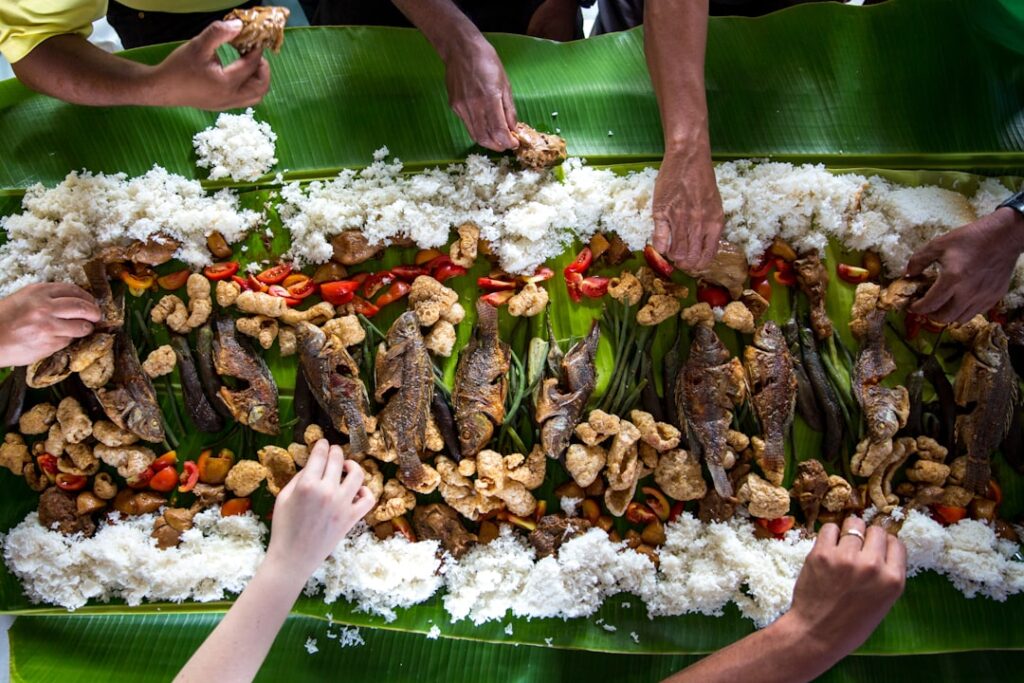
Across Metro Manila, Cebu, Davao, and even abroad in Los Angeles, Dubai, and Toronto, Filipino restaurateurs are turning home-cooked memories into successful brands. According to Google Trends, searches for “lutong bahay recipes” grew by 32% in 2024, reflecting the global appetite for authentic Filipino food that feels personal, nostalgic, and warm.
This guide explains how to translate the heart of Filipino home cooking into a lasting brand identity—from story and service to design and digital presence.
What “Lutong Bahay” Means in Filipino Restaurant Branding
In Tagalog, lutong bahay literally means “home-cooked.” But in branding, it means far more: a promise of care, comfort, and kinship.
A Filipino restaurant concept built on lutong bahay connects deeply with both locals and the diaspora because it embodies values the culture already understands—hospitality, tradition, and inclusion.
As culinary historian Claude Tayag notes, “Filipino food is memory made edible.” This emotional resonance turns home dishes like adobo, tinola, and ginisang monggo into branding tools that build instant trust.
When integrated into restaurant strategy, lutong bahay becomes a market differentiator. Guests don’t just taste—they belong.
Filipino Hospitality as a Branding Advantage
The Secret Ingredient: Genuine Warmth
In global hospitality marketing, “authenticity” is overused. But in the Philippines, it’s natural. The spontaneous smile, the refill before you ask, the “Kumusta po?” greeting—all signal sincerity.
Filipino hospitality marketing turns these gestures into measurable brand equity. Restaurants that train staff to interact as hosts, not servers, see up to 40% higher repeat visits, according to data shared by Manila F&B consultancy FOODASEAN 2024.
Case Example: Locavore Manila
Locavore built its brand around comfort meets creativity—modern plating of home classics. Their “Ginataang Kaldereta” and “Sizzling Sinigang” honor tradition while presenting it with contemporary energy. Reviews consistently highlight not just taste but “the feeling of being served at home.”
Case Example: Mesa Philippines
Mesa’s success across Quezon City, Cebu, and Davao lies in its interior storytelling—woven banig textures, capiz lighting, and heritage-inspired menus. The result: familiar comfort presented professionally, perfect for families and corporate diners alike.
These brands prove that Filipino hospitality—done intentionally—translates into loyalty, reviews, and referrals.
The 7-Step Lutong Bahay Brand Playbook
Every Filipino food branding project begins at the same table: home. But turning emotion into business requires structure.
Follow these seven steps to build a brand that feels both heartfelt and strategic.
1. Start with the Story (and Write It Down)
Every lutong bahay restaurant starts with a family memory—a grandmother’s adobo, a Sunday lunch tradition, a father’s recipe for sinigang. Document these stories.
Create a living recipe journal that records measurements, anecdotes, and sourcing notes. This becomes your brand’s intellectual property—a bridge between tradition and training.
Example: Manam Comfort Filipino built its entire dual-menu concept (“Classics” and “Twists”) on founders’ family recipes, each with a written story for staff to share.
2. Structure the Menu Like a Family Album
Menus should balance comfort and curiosity.
Create sections such as:
- Home Classics: faithful renditions of family staples
- House Twists: contemporary reimaginings using modern technique or seasonal ingredients
Add provenance lines:
“Bulalo – Batangas-style slow simmer, marrow intact.”
“Piaparan – Maranao coconut-turmeric stew from Mindanao.”
This storytelling helps guests connect and educates them on regional diversity—a must for SEO and for cultural depth.
3. Design Interiors That Feel Like Home, Not a Set
Visual authenticity matters. Avoid over-themed interiors; aim for warmth and tactility.
Use natural materials like rattan, banig, and capiz. Feature wall art or photography from provinces you represent—Ilocos, Bicol, or Mindanao—to signal roots.
Example: Mesa Cebu uses local craftsmanship and warm lighting to recreate the communal comfort of provincial dining.
Design tip: Arrange tables for sharing. A true Filipino dining experience is communal.
4. Turn Service into Kinship
Train your staff not in scripts but in empathy. Teach them to read small cues—who might want extra broth, who’s celebrating, who’s dining alone.
Service rituals can include:
- Free extra rice without request
- Complimentary dessert for birthdays
- A warm “Salamat po” on bill presentation
These micro-gestures create emotional consistency. Encourage staff to tell one short story behind a dish—it humanizes your brand.
5. Source Locally and Communicate It Clearly
Ingredient storytelling adds credibility.
Say where your produce comes from: “Our bangus is from Dagupan, our greens from Tagaytay farms.”
This positions your brand as ethical and transparent—core values of modern Filipino restaurant concepts.
Example: Locavore’s farm partnerships are part of its menu copy, reinforcing both sustainability and authenticity.
6. Share Human Stories Online
Social media is your extended dining room.
Instead of glossy ads, post short, real stories:
- A cook preparing aromatics
- A grandmother’s recipe notebook
- A delivery driver picking up produce from the province
Use reels or TikTok clips under 30 seconds. End with soft engagement prompts:
“What’s your family’s souring agent—tamarind, green mango, or calamansi?”
This builds conversation and organic reach. That’s what modern Filipino food branding means: personality over polish.
7. Measure What Matters
Don’t just track covers—track return visits, photo shares, and referral mentions (“my cousin told me”).
Ask new guests how they found you. When many say “TikTok,” “my tita,” or “Google Maps near me,” you’re witnessing word-of-mouth SEO in action.
Regularly audit reviews for keywords like “felt like home” or “like my lola’s cooking.” That’s qualitative proof your lutong bahay restaurant branding works.
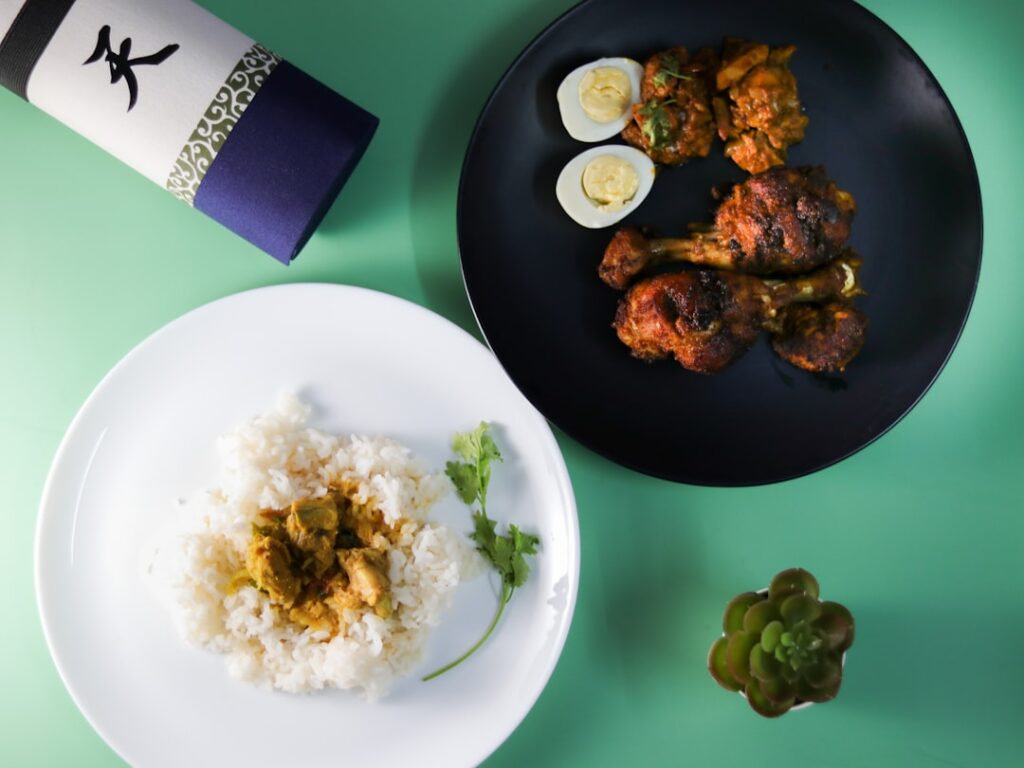
How Filipino Food Branding Travels Abroad
Filipino restaurants are thriving globally—from Kasama in Chicago (the first Michelin-starred Filipino restaurant) to Little Manila in Dubai and Kanto in Toronto.
Their success lies in exporting the feeling of home, not just the flavors.
- Kasama pairs fine-dining presentation with humble origins—proof that lutong bahay can scale upscale.
- Kanto keeps authenticity through casual service, Filipino playlists, and rotating regional specials.
- In Dubai, Little Manila curates a cluster of eateries serving expats craving “home taste,” combining multiple provincial cuisines in one food hall.
This shows the adaptability of Filipino restaurant branding—anchored in heritage, flexible in expression.
How to Build Your Filipino Restaurant Brand Identity
Here’s a quick branding audit checklist for restaurateurs:
| Element | What to Check | Why It Matters |
| Story | Is your origin story written and shareable? | Creates emotional authority |
| Menu Voice | Do dish descriptions include provenance? | Builds SEO and authenticity |
| Interior Design | Does the space feel lived-in, not themed? | Encourages comfort, repeat visits |
| Staff Rituals | Do service gestures reflect home culture? | Builds loyalty |
| Digital Touchpoints | Do your posts educate and invite? | Drives organic engagement |
| Local Visibility | Is your restaurant optimized for “Filipino food near me” in your city? | Essential for local SEO |
Start small: Audit one category per week. Refine, document, and repeat.
Cultural Authority: Preserving Heritage Through Business
According to the Philippine Culinary Heritage Movement, documenting family recipes is vital to preserving national identity.
Incorporate names like Nora Daza—whose 1970s cookbook Let’s Cook with Nora defined Filipino cooking for generations—into your storytelling. Quoting or referencing heritage icons adds E-E-A-T credibility to your brand.
Archive your own history: recipes, suppliers, anecdotes, and photos. Post them on your site’s “About” page to boost authenticity signals.
Conclusion: Building a Home Guests Return To
In the end, lutong bahay restaurant branding isn’t a slogan—it’s a system.
It blends Filipino food branding, hospitality marketing, and cultural storytelling into a brand people remember.
Whether you’re opening in Quezon City, Cebu, or Los Angeles, the principles remain universal:
- Lead with sincerity
- Honor your heritage
- Create experiences that feel like family
If you’re building your Filipino restaurant concept, start with one question:
“Does every touchpoint—menu, service, and story—make my guests feel at home?”
When the answer is yes, you’ve achieved what every diner describes with the highest compliment in the Filipino language of taste—
“Parang lutong bahay.”
🔗 Related Reading
- Philippines Restaurant Menu
- Filipino Restaurant Marketing Ideas
- Menu Design Tips for Authentic Restaurant
Hello, everyone! Hope you are all well. Please feel free to comment your thoughts!:)