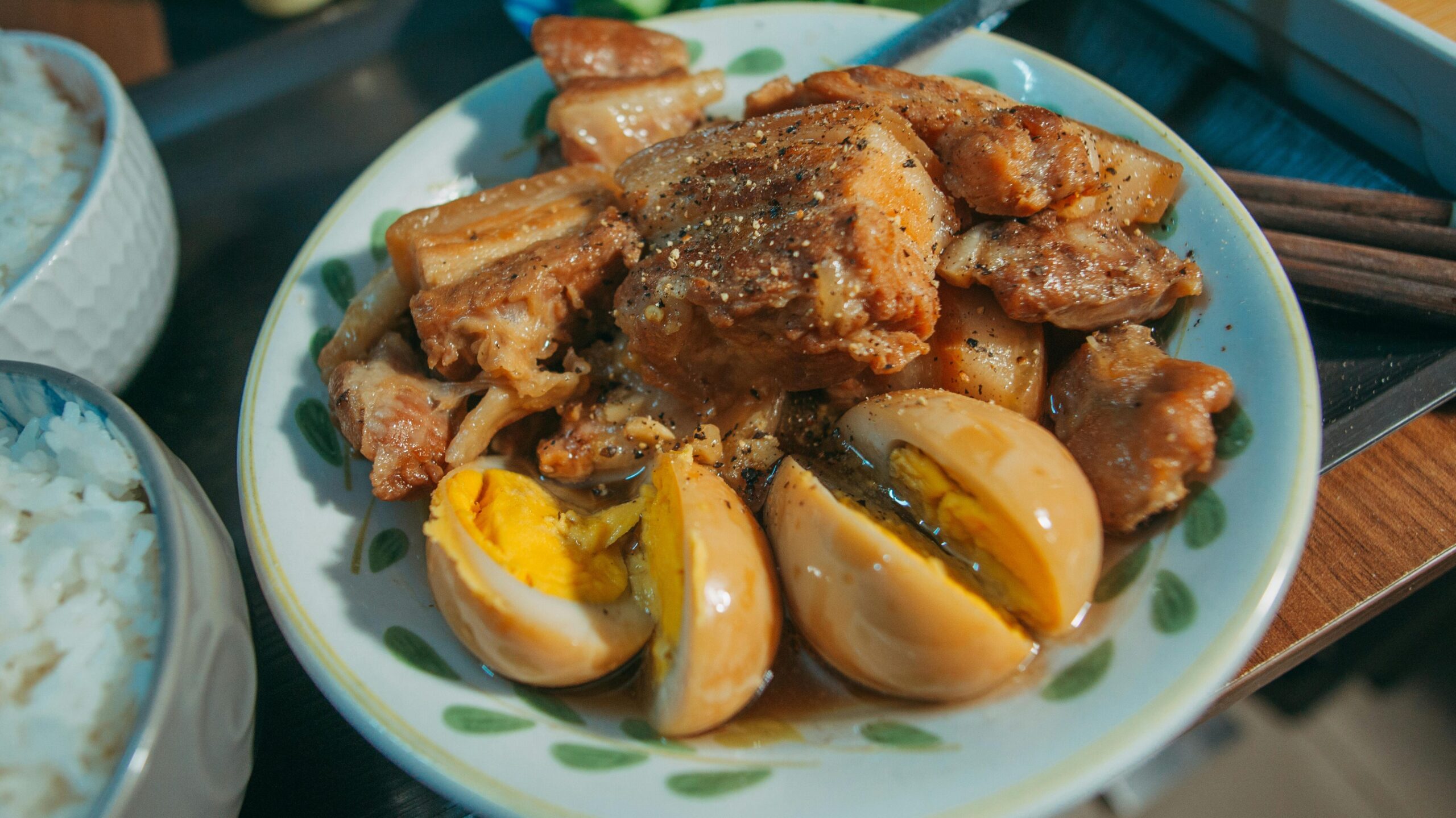
Introduction: Why Adobo Is the Heart of Filipino Cuisine
If you’re looking for a comforting Filipino adobo recipe, this chicken and pork version is the perfect starting point. For many Filipinos, the aroma of adobo simmering on the stove represents home. It is the dish that often answers the question, “What’s for dinner?” Because almost every Filipino family has its own recipe, adobo has become a deep part of cultural identity.
Adobo is more than food. It connects generations, brings families together, and offers comfort whether someone lives in Manila, California, or the Middle East. Moreover, it is so rooted in Filipino life that many consider it the national dish—even though no official decree exists. People often joke that there are as many adobo versions as there are islands in the Philippines.
The Definition of Adobo: A Process, Not Just a Recipe
At its core, Filipino adobo is a cooking method, not a single recipe. The process involves braising chicken, pork, or both in vinegar, soy sauce, garlic, and peppercorns. This creates the sour-salty flavor known as asim-alat, which defines the dish.
The Hook: Your Ultimate Resource for Filipino Adobo
This guide will:
- Explain adobo’s history
- Teach a reliable Filipino chicken and pork adobo recipe
- Show essential variations
- Help you create your own signature version
By the end, you’ll confidently cook adobo and adjust it to your preferred taste.
The History and Cultural Significance of Adobo
Pre-Colonial Roots: The Art of Preservation
Long before Europeans arrived, Filipinos were already braising meat in vinegar and salt. The hot, humid climate made food spoil quickly. However, vinegar acted as a natural preservative, allowing cooked dishes to last longer. Early Filipinos used coconut, palm, and sugarcane vinegars. This early form—later called adobong puti—was simple: vinegar, salt, and garlic.
Spanish Influence: The Name That Stayed
When the Spanish reached the islands, they noticed similarities between the Filipino practice and the Spanish method called adobar (“to marinate”). They used the word “adobo” to describe the local dish. The name remained, although the method itself did not come from Spain. Instead, Filipinos kept their own process and only adopted a foreign label.
Chinese Trade and the Rise of Soy Sauce
The modern dark version of adobo appeared when Chinese traders brought soy sauce. Replacing salt with soy sauce added umami, color, and complexity. Additionally, bay leaves, peppercorns, and onions later enriched the flavor further. Consequently, the dish evolved into the balanced, savory-sour adobo known today.
Adobo as a Symbol of Identity
Although not an official national dish, adobo is viewed as the country’s culinary ambassador. Every region and household has a unique version, proving how adaptable Filipino food is. Some families prefer chicken, others lean toward pork. Some add coconut milk, while others highlight a sharp vinegar-forward style. These differences reflect how Filipinos honor tradition while adjusting recipes to their own tastes.
Every region—and often every household—has its own recipe. Some prefer purely chicken adobo, others swear by mostly pork; some use coconut milk, others insist on a light, vinegar‑forward style. This endless variety reflects how Filipinos adapt and personalize traditions while keeping their roots intact.
| Component | Pre-Colonial Adobo (Adobong Puti) | Modern Adobo (Classic) | Cultural Significance |
| Primary Seasoning | Vinegar and Salt | Vinegar and Soy Sauce | Preservation and Indigenous Ingenuity |
| Color | Light/White | Dark Brown | Chinese Trade Influence |
| Flavor Profile | Purely Sour and Salty (Asim-alat) | Sour, Salty, and Umami | Culinary Evolution and Adaptability |
| Name Origin | Indigenous Cooking Method | Spanish Naming Convention (Adobar) | Colonial History |
Adobo’s resilience and ability to absorb and adapt foreign influences while maintaining its core identity—the braising in vinegar—makes it a powerful symbol of the Filipino spirit. It is the ultimate expression of lutong bahay (home-cooked food) and a proud centerpiece of any Filipino meal.
3. Classic Filipino Adobo Recipe with Chicken and Pork
This is the quintessential Filipino Adobo—a perfect marriage of chicken and pork, simmered until fork-tender in a rich, tangy, and savory sauce. The classic recipe is incredibly easy to prepare, making it accessible for home cooks of all skill levels. This recipe is the foundation upon which all other Adobo variations are built, and mastering it is the first step in your journey to becoming an Adobo expert.
Braising is the primary cooking method used for making adobo, ensuring the meat becomes tender and flavorful. Marination in vinegar and other ingredients before cooking further enhances the depth and complexity of adobo’s signature taste.
Essential Ingredients
The magic of Adobo lies in its simplicity. You only need a handful of pantry staples to create a dish that is complex in flavor and deeply satisfying.
| Ingredient | Quantity | Notes |
|---|---|---|
| Protein | 1 lb Chicken (thighs/drumsticks) | Bone-in, skin-on pieces are preferred for flavor and texture. |
| 1 lb Pork Belly (or shoulder) | Cut into 1.5-inch cubes. Pork belly adds richness and fat. | |
| Liquid | 1/2 cup Soy Sauce (toyo) | Use a good quality Filipino soy sauce for authentic flavor. |
| 1 cup Cane Vinegar (suka) | Cane vinegar is traditional, but the choice of vinegar varies regionally. Apple cider vinegar, rice vinegar, and white vinegar are alternative options that can be used depending on availability and preference. | |
| 1 cup Water | For braising and creating the sauce. | |
| Aromatics | 1 whole head Garlic | Minced or crushed. Do not skimp on the garlic! |
| 2-3 Bay Leaves (dahon ng laurel) | Dried bay leaves are the classic choice for a rich, herbal flavor. Fresh bay leaves can be used for a more vibrant aroma and subtle flavor. Remove bay leaves before serving. | |
| 1 tsp Black Peppercorns | Whole peppercorns are best; they release flavor slowly. | |
| Other | 1 tbsp Cooking Oil | For searing the meat. |
| Salt and Sugar | To taste, for final balancing. |
Step-By-Step Process
The process of making Adobo is straightforward, but it requires patience and adherence to a few key techniques to achieve the perfect balance of asim-alat (sour-salty).
Step 1: Marinate the Meat
Start by marinating the chicken and pork in a mixture of soy sauce, vinegar, garlic, bay leaves, and peppercorns. This marinated chicken and pork should rest for at least 30 minutes, but for deeper flavor, marinate for several hours or overnight.
Step 2: Sear the Meat
Before searing, use paper towels to pat the chicken dry—this helps achieve a better sear and crispier skin. Heat oil over medium heat in a large pot or Dutch oven. Sear the marinated chicken and pork pieces until browned on all sides. As you sear, brown bits will form on the bottom of the pot; these are packed with flavor.
Step 3: Deglaze and Simmer
Add the remaining marinade and enough water to cover the meat. Use a wooden spoon to scrape up the brown bits from the bottom of the pot—this will enrich the sauce. Bring the mixture to a boil, then reduce heat to a gentle simmer. Cooking adobo typically involves simmering the meat in this mixture of vinegar, soy sauce, and spices until tender.
Step 4: Reduce the Sauce and Finish the Chicken
Once the meat is tender, you can reduce the sauce to your desired consistency. For crispy skin, transfer chicken pieces to a rimmed baking sheet lined with aluminum foil and broil for a few minutes until browned and crisp, or fry them in a pan. After broiling or frying, transfer chicken back to the pot to coat with sauce, if desired.
Step 5: Rest and Serve
For best results, let the adobo rest overnight in the refrigerator. This improves its flavor and allows the acidity to mellow. Serve with steamed rice and enjoy.
Note: Adobo can be finished by broiling or frying the chicken for crispy skin. Using a baking sheet for broiling ensures even crisping and easy cleanup.
1. Marinating (The Key to Flavor)
In a large bowl or pot, combine the chicken and pork pieces. Add the soy sauce, vinegar, crushed garlic, bay leaves, and whole peppercorns. Stir gently to coat all the meat. Cover the pot and let the meat marinate for at least 30 minutes at room temperature, or ideally, 4 hours to overnight in the refrigerator. The longer the marinade, the deeper the flavor.
2. Braising (The “No Stir” Rule)
Sear the Meat: Remove the meat from the marinade (reserve the liquid). In a large pot or Dutch oven, heat the cooking oil over medium-high heat. Sear the pork pieces until lightly browned on all sides. Add the chicken and sear briefly.
Add Liquid: Pour the reserved marinade and the 1 cup of water into the pot. Bring the mixture to a boil.
The “No Stir” Rule: Once boiling, immediately reduce the heat to a low simmer. Crucially, do not stir the pot for the first 10-15 minutes. This allows the vinegar to cook off its harsh, raw edge without making the sauce taste metallic or overly sour.
Simmer: Cover the pot and let it simmer gently for 45 to 60 minutes, or until the pork is fork-tender. Stir occasionally after the initial 15 minutes to ensure even cooking.
Reducing the Sauce (Achieving the Perfect Glaze)
- Remove Meat: Once the meat is tender, remove the chicken and pork pieces from the pot and set them aside.
- Reduce: Increase the heat to medium-high and let the sauce simmer rapidly, uncovered. The goal is to reduce the liquid by about half, concentrating the flavors into a thick, glossy glaze.
- Final Balance: Taste the reduced sauce. This is the time to balance the flavors. If it is too sour, add a pinch of sugar. If it is too salty, add a splash of water. If it needs more tang, add a teaspoon of vinegar (and let it cook for a minute).
- Return Meat: Return the meat to the pot and toss gently to coat it thoroughly in the thick, reduced Adobo sauce.
Pro Tips for the Perfect Adobo
Achieving the perfect Adobo is an art refined over generations. Here are a few essential tips to elevate your dish from good to unforgettable:
- The Power of Fat: Do not trim all the fat from the pork belly. The rendered fat is what gives the Adobo sauce its rich mouthfeel and depth of flavor.
- The Day-Old Secret: Adobo is one of the few dishes that tastes even better the next day. The flavors continue to meld and deepen overnight. Make a large batch and enjoy the leftovers!
- Crispy Skin Finish: For an extra layer of texture, after removing the meat from the sauce, you can quickly pan-fry the chicken pieces (skin-side down) in a separate pan until the skin is crispy before tossing them back into the reduced sauce.
- The Vinegar Ratio: While the classic ratio is often 1 part soy sauce to 2 parts vinegar, many modern cooks prefer a 1:1 ratio. Experiment to find your personal preference, but always start with more vinegar than you think you need, as it mellows out during cooking.
Serving Suggestions
Adobo is best served with steamed rice to balance its strong flavors. Traditionally, a generous mound of freshly steamed white rice accompanies adobo, soaking up the rich sauce perfectly. For a classic Filipino breakfast experience, try serving it with:
- Sinangag: Garlic fried rice.
- Itlog: A fried egg (often sunny-side up).
- Atsara: Pickled green papaya, which provides a sweet and sour counterpoint to the savory Adobo.
4. Regional and Modern Adobo Variations
The true genius of Adobo lies in its adaptability. While most adobo recipes use chicken or pork as the main protein, there are many regional and modern variations that showcase the diversity of Filipino cuisine. While the classic recipe is a perfect starting point, traveling across the Philippines reveals a kaleidoscope of regional variations, each a testament to local ingredients and culinary traditions. This section serves as your guide to the “Adobo Universe,” establishing the foundation for your deep-dive cluster content.
Adobong Puti (White Adobo)
This is the closest you will get to the pre-colonial version of the dish. Adobong Puti is characterized by the absence of soy sauce, relying solely on vinegar, salt, and garlic for its seasoning. The resulting dish is lighter in color and flavor, with a clean, sharp tang that truly highlights the quality of the meat and the vinegar. It is a must-try for those who want to taste the original Filipino preservation method.
Adobong Gata (Adobo with Coconut Milk)
Hailing primarily from the Bicol region, which is famous for its use of coconut milk (gata), this variation introduces a creamy, rich texture to the classic Adobo profile. The coconut milk mellows the vinegar’s acidity and adds a subtle sweetness, transforming the sauce into a luxurious, velvety coating for the meat. Often, a touch of chili is added to balance the richness.
Adobong Dilaw (Yellow Adobo)
Adobong Dilaw is a vibrant, turmeric-infused version of Adobo, popular in areas like Batangas. The turmeric (luyang dilaw) gives the dish its distinctive yellow hue and a subtle, earthy flavor that complements the sour-salty base. Like Adobong Puti, this version often omits soy sauce, focusing on the indigenous flavors of vinegar, salt, and local spices.
Other Essential Variations
The Adobo variations are endless, often dictated by the protein available or the local preference:
Adobong Pula (Red Adobo): A visually striking version where the red color comes from the use of atsuete (annatto seeds) oil or sometimes a touch of tomato paste.
Adobong Pusit (Squid Adobo): A seafood favorite where the squid is cooked in the Adobo base, and the ink is often used to create a rich, black, savory sauce.
Adobong Kangkong (Water Spinach Adobo): A popular vegetarian take, proving that the Adobo technique can be applied to any ingredient, not just meat.
5. Ingredient Deep Dive: Mastering the Adobo Flavor
The secret to a truly great Adobo lies in understanding the core ingredients and how they interact. The balance of the “Big Four”—vinegar, soy sauce, garlic, and peppercorns—is what defines your personal Adobo style.
The Vinegar Debate
The choice of vinegar is perhaps the most critical decision in making Adobo. Filipino cuisine relies heavily on local vinegars, which are naturally fermented and offer a more complex flavor profile than standard white distilled vinegar.
| Vinegar Type | Source | Flavor Profile | Best For |
| Cane Vinegar (Sukang Iloko) | Sugarcane | Sharp, clean, and slightly sweet. The most common and versatile choice. | Classic Adobo, Adobong Puti |
| Coconut Vinegar (Sukang Tuba) | Coconut Sap | Milder, slightly cloudy, with a subtle yeast-like aroma. | Seafood Adobo (Adobong Pusit), Marinades |
| Palm Vinegar (Sukang Paombong) | Palm Sap | Stronger, more pungent, and highly acidic. | Stronger meats (Pork Adobo), Dipping Sauces |
5.2. Soy Sauce Selection
The soy sauce (toyo) provides the saltiness, color, and umami depth. Most Filipino cooks use a local brand of soy sauce, which tends to be saltier and less sweet than Japanese or Chinese varieties.
The Saltiness Factor: Because Filipino soy sauce is quite potent, it is crucial to use it judiciously. Start with less than the recipe calls for and adjust the saltiness at the end.
Dark vs. Light: While the classic recipe uses standard soy sauce, some cooks use a touch of dark soy sauce for a deeper, richer color, especially when making a very dark, glossy Adobo.
5.3. The Role of Aromatics
The generous use of garlic and bay leaves is non-negotiable. The garlic should be crushed or lightly smashed to release its oils, and the bay leaves (dahon ng laurel) provide a subtle, herbaceous note that is essential to the Adobo aroma. Always use whole black peppercorns, as they release their flavor slowly during the long braising process.
6. Troubleshooting and FAQs
Even the simplest dishes can present challenges. Here are answers to the most common questions about cooking Adobo, helping you troubleshoot your way to perfection.
Q: Why is my Adobo too sour/salty?
- Too Sour: This usually happens if the vinegar was not allowed to boil off its raw edge before the heat was reduced. To fix it, add a pinch of sugar to balance the acidity, or add a splash of water and let it simmer, uncovered, for a few minutes.
- Too Salty: The most common culprit is over-reducing the sauce. To fix, add a small amount of water or, if you have it, a splash of unsalted chicken stock.
Q: Can I make Adobo in a slow cooker or Instant Pot?
- Yes, absolutely. The slow cooker is ideal for achieving fall-off-the-bone tenderness, while the Instant Pot significantly cuts down the cooking time. However, you must still follow the “No Stir” rule during the initial pressure-cooking phase to ensure the vinegar flavor is mellowed.
Q: How long does Adobo last and how do I store it?
- Adobo is an excellent make-ahead dish. Due to the high vinegar and salt content, it keeps well in the refrigerator for up to 5-7 days in an airtight container. In fact, the flavors deepen and improve over the next few days—this is the famous “day-old Adobo” secret. When reheating, gently warm the adobo over low heat on the stovetop with a covered pot to avoid overcooking or drying out the meat.
Q: What is the best cut of meat for Adobo?
- For chicken, bone-in, skin-on thighs and drumsticks are best as they stay moist and flavorful. For pork, pork belly is traditional for its fat content, but pork shoulder (butt) is a leaner, yet still tender, alternative.
7. Conclusion: Your Adobo Journey Begins
Adobo represents history, identity, and creativity. Once you understand the basics, you can explore endless variations. Try different vinegars, adjust the sauce, or experiment with regional styles. As you refine this Filipino adobo recipe, you join a rich tradition that has lasted centuries.
Share your adobo journey in the comments—what version do you enjoy the most?